
Live Site Map provides a practical way to create and manage as built records throughout a project. Information is recorded against plans and locations as work is completed, creating a clear record for project handover.
Upload construction drawings and create a dedicated markup for as built documentation.
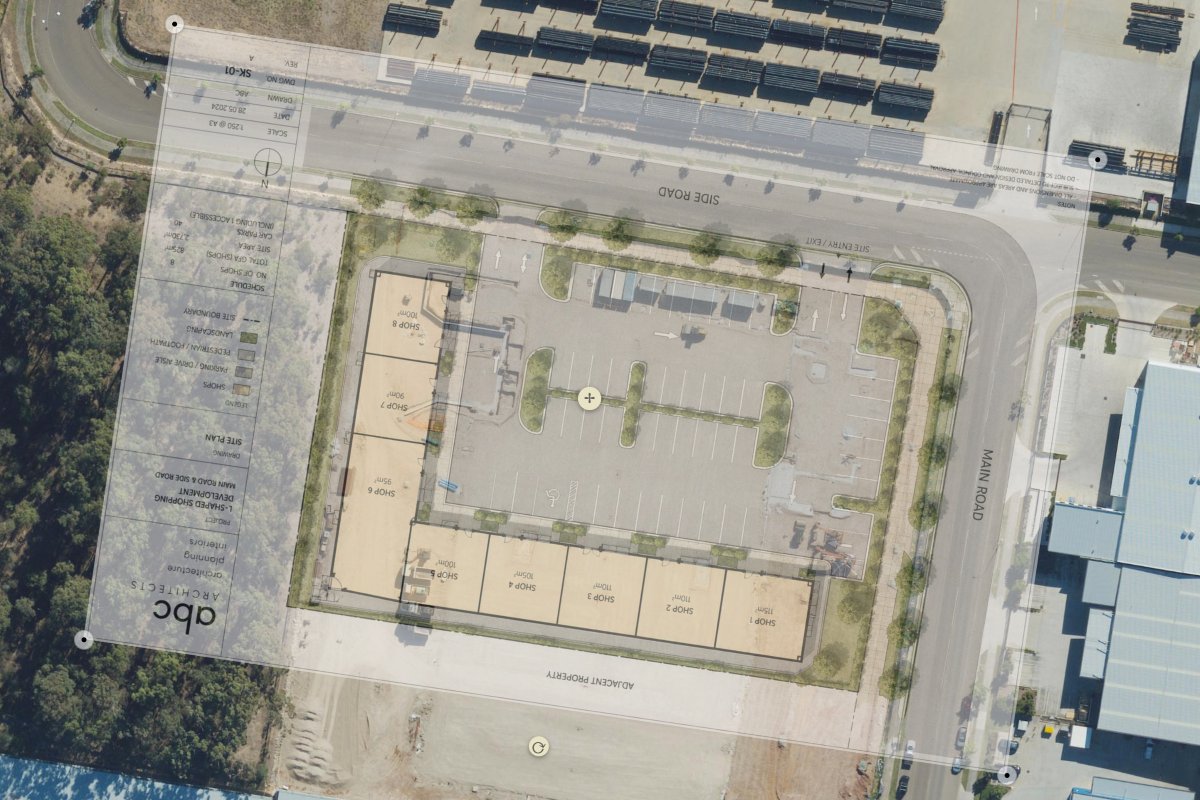
Add locations, paths, areas and other records directly onto the drawing. Attach photos, notes and supporting information to document completed works.
Capture information as work is completed rather than trying to reconstruct records at project handover.
Use the markup to review changes, service locations and installation details before finalising documentation.
Export records or share a live link with clients, consultants and project stakeholders.
Are you struggling to produce accurate as built records at the end of a project?
For many projects, as built documentation becomes a last-minute exercise. Teams attempt to reconstruct months of construction activity using memory, site photos, notebooks and marked-up plans. By the time practical completion approaches, important details may have been forgotten, field changes may not have been recorded and locating supporting evidence can become difficult.
The challenge is not usually the work itself. The challenge is capturing changes as they happen. Every variation, relocation, installation adjustment and field decision creates information that needs to be reflected in the final record. Without a reliable system, project teams often spend significant time chasing information that should already exist.
Field records can be linked directly to engineering drawings, site plans and construction layouts. Teams can document completed works against the plans being used on site, creating a clear connection between construction activities and project records.
Photos, notes, measurements and supporting information remain attached to specific locations. Future users can understand not only what was installed, but exactly where it was installed.
Rather than waiting until project completion, information can be captured throughout construction. This reduces reliance on memory and helps ensure important changes are documented when they occur.
Much of the required information already exists by the time the project reaches completion.
Information captured during construction is generally more reliable than information reconstructed months later.
Asset owners receive records that are easier to understand and verify.
Future maintenance teams can access information that accurately reflects what was built on site.
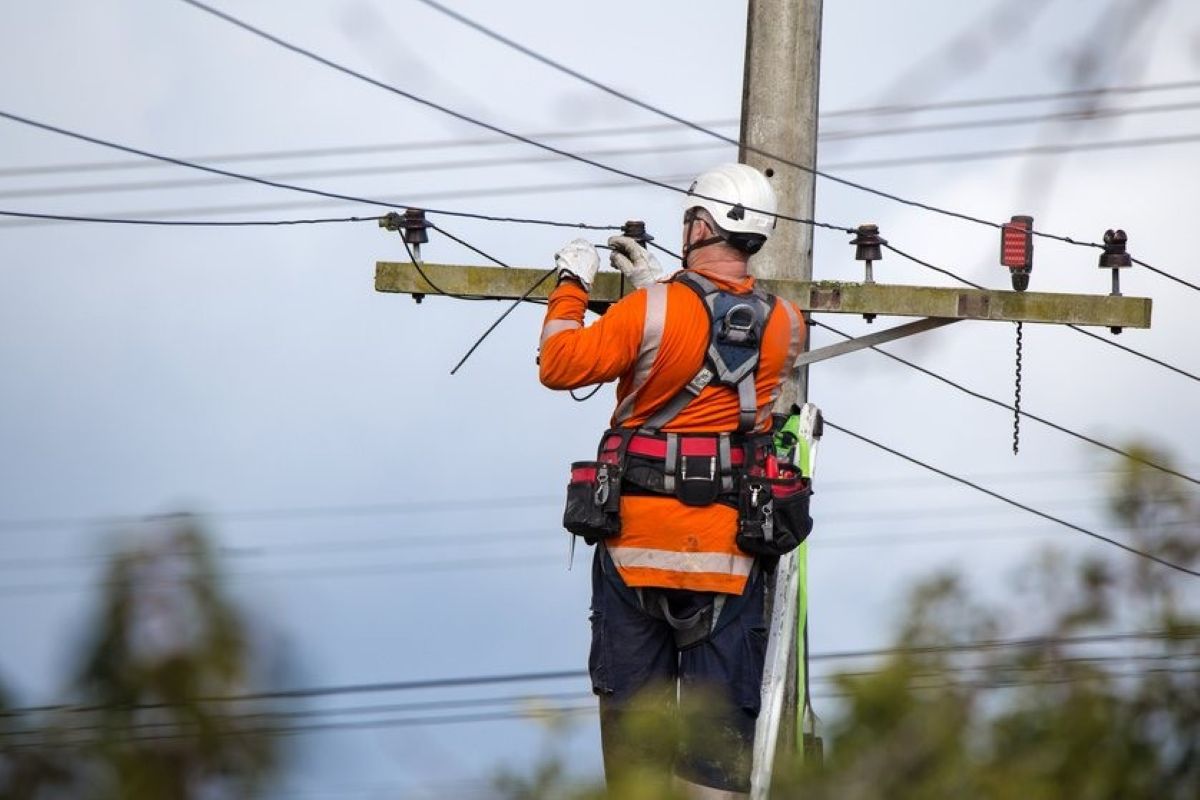
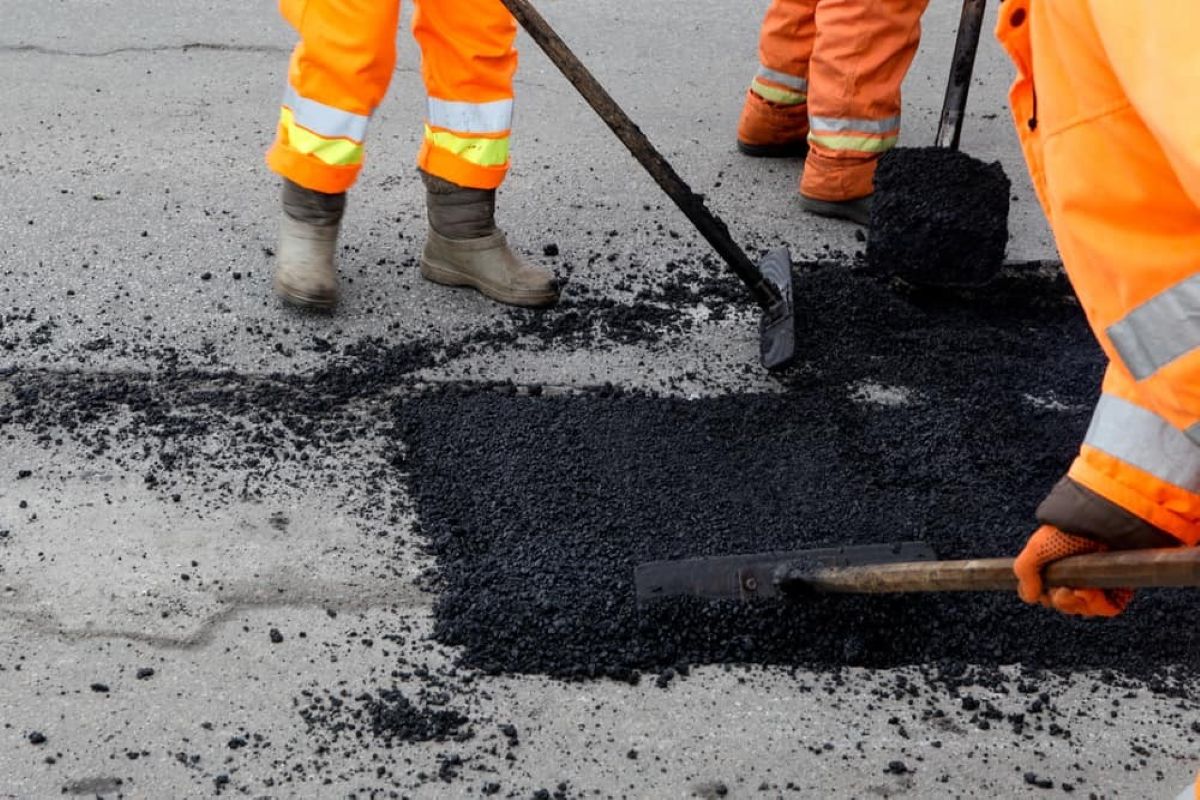


Record the installed locations of water, sewer, stormwater, electrical and communications infrastructure as construction progresses.
Document mechanical, electrical, hydraulic and fire service installations before walls, ceilings and surfaces conceal critical infrastructure.
Capture changes to roads, drainage, retaining walls, earthworks and associated infrastructure throughout project delivery.
Maintain accurate records of network upgrades, relocations, repairs and newly installed assets for future operations and maintenance.
A contractor installs underground communications infrastructure across a commercial development. During construction, several services are relocated to avoid unexpected site conditions. Rather than relying on memory at project completion, crews record the changes as they occur using plan overlays, photos and GPS-linked records. When final as built documentation is required, project managers already have a detailed visual record of what was installed and where.
As built documentation is one of the most important deliverables produced during a project. It provides a permanent record of what was actually constructed and becomes a critical reference for future maintenance, upgrades, investigations and operational activities.
Despite its importance, many organisations still struggle to produce accurate as built records.
The reason is that construction projects rarely unfold exactly as planned. Design changes, site constraints, unforeseen conditions and practical installation requirements often result in modifications during construction. These changes may be perfectly valid, but they create a gap between design documentation and the completed works.
Closing that gap requires reliable field information.
Historically, many contractors have relied on redline drawings, handwritten notes and photo records to document changes. While these methods can work, they often depend heavily on individual staff members maintaining detailed records throughout a project. As schedules become compressed and workloads increase, documentation frequently falls behind construction activities.
By project completion, teams may be attempting to recreate months of field decisions. Staff move onto new projects. Site supervisors rely on memory. Subcontractors may no longer be available. Information becomes harder to verify and confidence in the final records decreases.
The consequences can extend far beyond project handover.
Inaccurate as built documentation can create challenges for maintenance teams, future contractors and asset owners. Service locations may be uncertain. Hidden infrastructure may be difficult to identify. Future upgrades can require additional investigation simply because reliable records are unavailable.
These issues are particularly significant for infrastructure assets that remain operational for decades. Water networks, electrical systems, communications infrastructure, buildings and transport assets all depend on accurate records to support future work. The cost of poor documentation is often not realised during construction. It emerges years later when organisations attempt to maintain, modify or expand existing assets.
Industry expectations are also increasing. Asset owners are demanding better records. Digital handover requirements are becoming more common. Contractors are expected to provide higher levels of documentation accuracy than in the past.
This has led many organisations to rethink how as built information is captured.
Rather than treating as built documentation as a final project task, organisations are increasingly integrating documentation into day-to-day field activities. Information is collected continuously as work progresses rather than retrospectively at project completion.
This approach offers several advantages. Information is captured while details are fresh. Photos can be taken before infrastructure is concealed. Field changes can be recorded immediately. Supporting evidence remains linked to the work being performed.
Location-based documentation adds another layer of value. When records remain connected to maps, plans and physical locations, future users can understand the information more quickly. Instead of searching through folders and reports, they can navigate directly to the relevant area and access the associated records.
As projects continue to become more complex, the need for reliable as built documentation will only increase. Organisations that capture information progressively and maintain strong location context are better positioned to deliver accurate project records and support future asset management requirements.
Effective as built documentation is ultimately about preserving knowledge. It ensures that the decisions, changes and construction activities that occur during a project remain available long after the project team has moved on. When records accurately reflect what was built and where it was built, they continue delivering value for the entire life of the asset.




.jpg)